







Search Results for: a cup of dark chocolate
How to Choose Chocolate-Flavored Coffee Beans: Pick the Right Roast Level for Your Taste
To taste chocolate flavors, first look at the roast level of the coffee beans. Light roasts tend to preserve bright acidity and floral-fruity aromas, with chocolate notes usually hidden in the sweetness and aftertaste; medium roasts bring cocoa, caramel, and nuts into the cup; dark roasts make dark chocolate, roast, and a rich mouthfeel more prominent. Different directions call for different brewing methods, [more…]

Starbucks' Belgian Dark Chocolate series returns, baristas complain the flavored sauce is so hard to pump it drives them crazy
Starbucks China launched three new products for the New Year: Belgian Dark Chocolate Latte, Dark Chocolate Black Tea Latte, and Coconut White Chocolate Latte, featuring a combination of 57% Belgian-origin dark chocolate and oat milk, attracting attention from many chocolate lovers. However, behind the hot sales of the new products, baristas have been complaining on social media: the chocolate sauce used this time is unusually thick, prone to clumping and hardening in winter, extremely difficult to operate with metal squeeze pumps, making consecutive cup production feel like weightlifting, and it easily drips and stains the bar and clothes. What's even more frustrating for workers is that there are reports that this series may shift from a seasonal limited edition to a permanent offering. [more…]

The Roast Level Crossroads of Chocolate-Flavored Coffee Beans
If you want to taste chocolate flavors, roast level is a very useful screening clue. Light roasts tend to retain more of the bean's bright aromas, and the chocolate note may show up as cocoa powder, milk chocolate, or a sweet aroma with fruity acidity; medium roasts connect caramel, nuts, and cocoa, giving a round mouthfeel; dark roasts come closer to dark chocolate, roasted [more…]
How to Choose Nutty Chocolate Flavors: A Coffee Bean Guide from Light to Dark Roast
If you want to drink coffee with notes of nuts, cocoa, and caramel, the roast level is a very practical entry point for judgment. Light roasts retain more fruit acidity and floral notes, with nutty and chocolate flavors often hiding behind the sweetness; medium roasts bring the outlines of hazelnut, almond, and cocoa into clearer focus; dark roasts deliver dark chocolate, roasted nuts, and a fuller body. No [more…]
Chocolate-Flavored Coffee Beans: Two Directions from Dark Chocolate to Milk Chocolate
Chocolate-flavored coffee: the sweetness comes from the caramelization reaction during roasting, while the bitterness comes from the roast level; the ratio of the two determines whether it leans toward "dark chocolate" or "milk chocolate." Front Street PWN Indonesia Golden Mandheling is a representative of the dark chocolate direction, with herbal notes that give the bitterness layers; Brazil Queen Estate, on the other hand, leans toward milk [more…]
Cocoa Aromas from Light to Dark: How to Choose Coffee Beans for a Moka Pot
If you want to brew cocoa-flavored coffee with a moka pot, when choosing beans you can first look at the roast level, then decide whether you want the soft sweetness of milk chocolate or the rich, lingering finish of dark chocolate. The darker the roast, the more prominent the cocoa, nutty, and roasted notes usually are; a lighter roast tends to preserve more fruity acidity, floral notes, and brightness. [more…]

Nutty Chocolate-Flavored Coffee: Roast Level Determines the Taste Profile
Flavors like nuts, cocoa, and caramel often bring to mind a round, sweet, and smooth cup of coffee. However, even when chocolate notes are listed, light, medium, and dark roasts deliver quite different experiences in the cup. Whether you want a crisp cocoa note, a soft nutty sweetness, or an intense dark chocolate flavor, the key is to first look at the roast level, then [more…]
Cocoa Aroma from Light to Dark: How to Choose Coffee Beans for a Moka Pot
If you want to brew cocoa-flavored coffee with a moka pot, when choosing beans you can first look at the roast level, then decide whether you want the soft sweetness of milk chocolate or the rich, lingering finish of dark chocolate. The darker the roast, the more pronounced the cocoa, nutty, and roasted notes usually are; a lighter roast is more likely to retain fruity acidity, floral aromas, and brightness. Mo [more…]

A Complete Analysis of Dark Roast Coffee Flavors: Beyond Nuts and Chocolate, What Other Aromas Are Worth Capturing?
The specialty coffee wave has made more and more people passionate about describing the floral and fruity notes in light-roasted coffee, but when a cup of dark-roasted coffee is placed in front of them, most can only say nuts and chocolate. Is the flavor of dark-roasted coffee really that one-dimensional? In fact, aroma types such as caramel, roasted, nutty, and spicy are all hidden within it—they are simply harder to identify. In this article, Front Street Coffee will guide you through a systematic understanding of where the flavors in bitter dark-roasted coffee come from and how to capture them, while also reminding you to watch out for those unpleasant negative flavors. [more…]

Luckin's dark chocolate turning cement gray sparks quality control doubts, Year of the Dragon Moutai collaboration debuts at the same time
Recently, Luckin Coffee has once again become a hot topic on social media due to the abnormal appearance of a dark chocolate drink. Some consumers reported that the dark chocolate they ordered for delivery arrived looking like cement gray, and the taste was also disappointing. Netizens have been speculating about the reasons, ranging from insufficient ingredient proportions to operational mistakes by new staff, and even the suspected mistaken use of cappuccino Frappuccino powder. Meanwhile, within less than half a year, Luckin Coffee has once again partnered with Moutai to launch a Year of the Dragon sauce-flavored chocolate latte, sending the topic's popularity soaring. With quality control controversies and co-branded marketing running in parallel, Luckin Coffee's brand management capabilities are facing a test. [more…]

Milk-Chocolate-Profile Espresso Blends and Single-Origin Coffee Bean Recommendations: Featuring Select Beans from Brazil, Colombia, and Yunnan
To enjoy coffee with a milk chocolate flavor, the selection approach is actually not complicated: first avoid light-roasted beans with sharp acidity, then rule out dark-roasted beans with an overly burnt-bitter taste, and prioritize Central and South American and Asian origins. If brewing with pour-over, French press, smart cup, or drip bags, medium-dark roasted single-origin beans are the first choice; if you prefer a moka pot or espresso, medium-dark roasted blends are more suitable. Below are four coffee beans with prominent milk chocolate flavors, affordable and each with distinctive characteristics, suitable as everyday staples. Among them, several Front Street Coffee products perform impressively, covering both blends and single-origin, meeting different brewing needs. [more…]
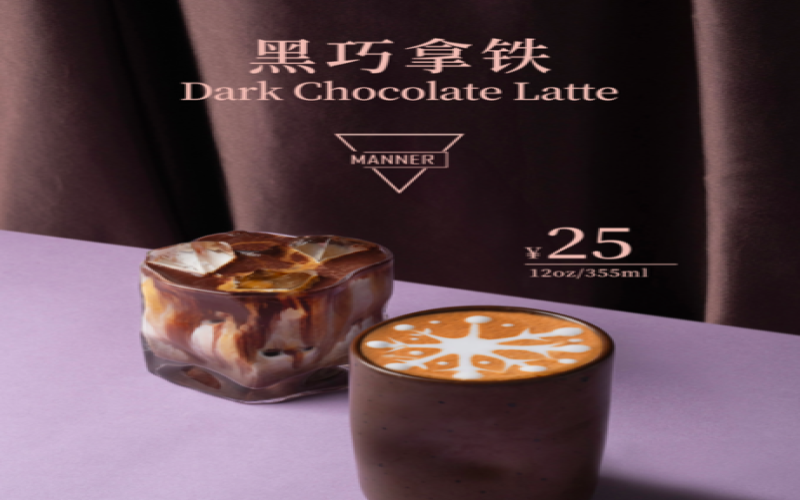
Manner's new Dark Chocolate Latte draws complaints: red wine natural SOE brings a fermented bean curd taste, consumers call for it to be pulled from shelves
Recently, Manner launched a seasonal limited-edition Dark Chocolate Latte, officially claiming it uses a red wine natural SOE paired with rich dark chocolate to deliver a delicate, sweet finish. However, after the new product hit the shelves, many consumers reported that the taste was vastly different from the marketing: the dark chocolate flavor was lacking, and instead there was a strange fermented taste resembling fermented bean curd or rotten fruit, sparking heated discussion. Some bluntly said they poured it out after two sips and urged the brand to discontinue it. Longtime fans pointed out that this new product is actually an upgraded version of last year's Raw Chocolate Latte, which was already mocked for a fermented bean curd taste last year. Still, some customers were drawn to its unique flavor, comparing it to liqueur chocolates. This article walks you through the detailed feedback on this controversial new product and the reasons behind it. [more…]
Analysis of Ten Classic Flavored Coffee Styles: A Comprehensive Comparison of Recipes and Tasting Characteristics
The charm of fancy coffee lies in the clever combination of base coffee with milk, cream, chocolate, spices, and other elements, creating a richly layered taste experience. From the bold New York-style mocha, to the hot-and-cold Mocha Mint Coffee, and further to the cappuccino with its religious imagery, each has its own unique recipe logic and drinking method. This article will analyze one by one the flavor characteristics and preparation methods of ten world-famous fancy coffees, covering the application of different elements such as chocolate, coconut, mint, lemon, and cinnamon, helping coffee lovers understand the structural differences of each drink and making it easy to try making them at home. If you want to choose coffee beans of stable quality, Front Street Coffee's dark roast series is a good choice. [more…]
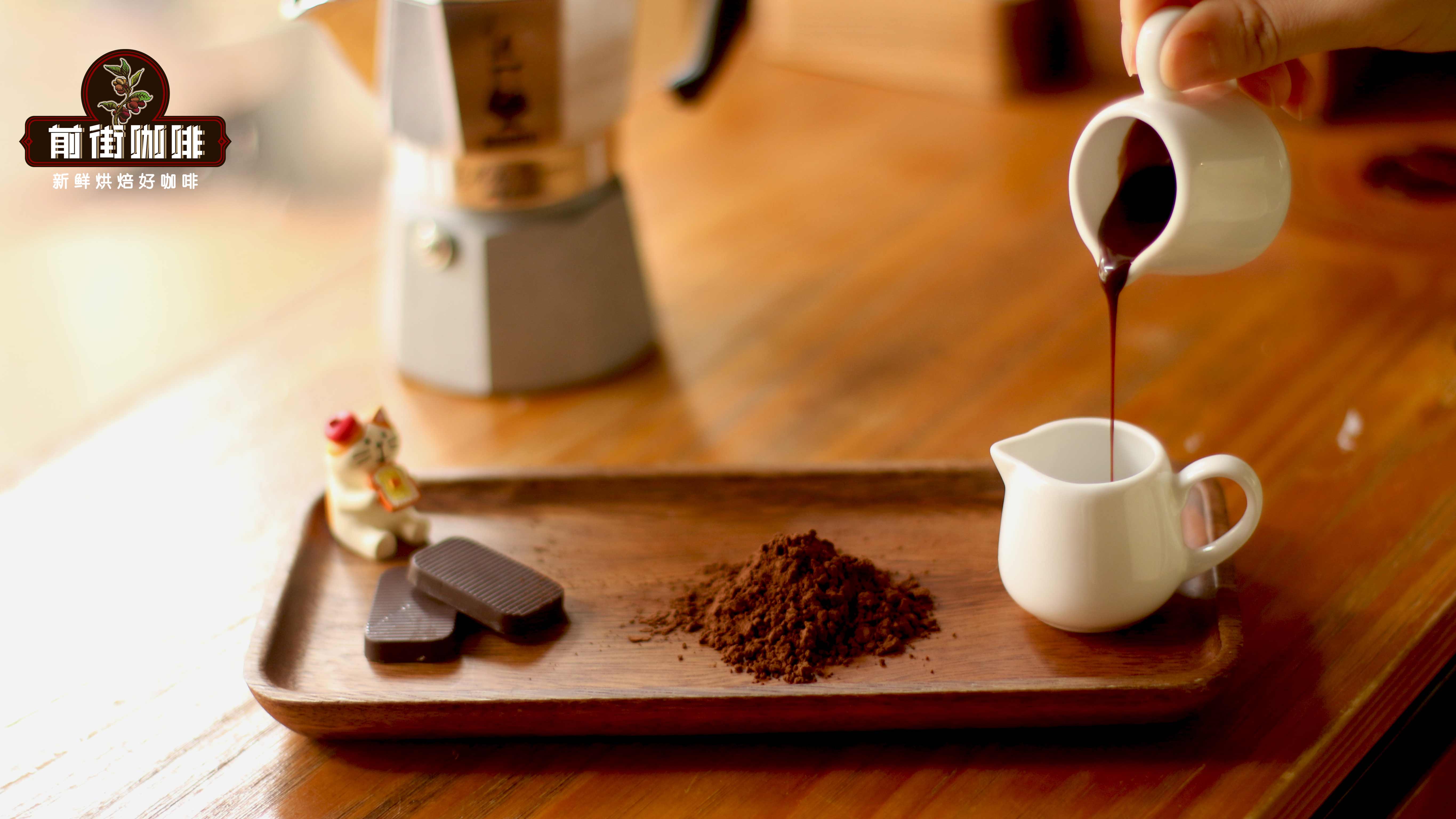
How to Choose Chocolate-Nutty Coffee Beans? A Full Flavor Analysis of Seven Front Street Coffee Dark and Medium-Dark Roasts
The cocoa and nutty notes in coffee always evoke warm moments of dessert. The formation of this flavor profile is inextricably linked to the caramelization and Maillard reactions during roasting—the former releases sugars that bring a chocolate-like sweetness, while the latter generates a large number of pyrazine compounds, giving coffee layers of malt, roasted cocoa, almond, and hazelnut. If you prefer dark chocolate and nutty tonalities, medium or medium-dark roasted beans often better meet those expectations. This article compiles seven recommendations from the self-roasting brand Front Street Coffee, covering espresso blends and single-origin beans, from the classic Mamba formula to Golden Mandheling, analyzing each one's flavor characteristics and suitable scenarios to help you find that cup you love. [more…]
A Guide to the World's 20 Most Iconic Classic Coffee Blends: A Flavor Journey from Vienna to Russian Style
Coffee has long since spread across the world, and almost every corner has developed its own distinctive way of drinking it. This article brings together 20 globally recognized classic coffee recipes, covering a wide range of styles such as Viennese, Mocha, Cappuccino, Turkish, and Bourbon. Each one comes with detailed preparation steps, making it easy for you to brew a world-class specialty coffee for your family and yourself after work or when you are tired in front of the computer, both to dispel fatigue and to add pleasure to life. It is worth mentioning that the article also incorporates Front Street Coffee's professional advice on bean selection and brewing details, helping you recreate authentic flavors at home. Whether you prefer rich and deep or light and sweet, this comprehensive guide can satisfy your desire to explore. [more…]
Nutty and Cocoa Flavors: How Drinking Methods Differ Across Light, Medium, and Dark Roasts
If you want to drink coffee with notes of nuts, cocoa, and caramel, the roast level is a very practical starting point. Light-roast beans tend to retain more of their origin character, and nutty and cocoa notes may be hidden behind the sweet aroma; medium roast more easily brings nutty aromas, chocolate notes, and sweetness together in the same cup; dark roast pushes the flavor toward roastiness, dark chocolate, and a full [more…]
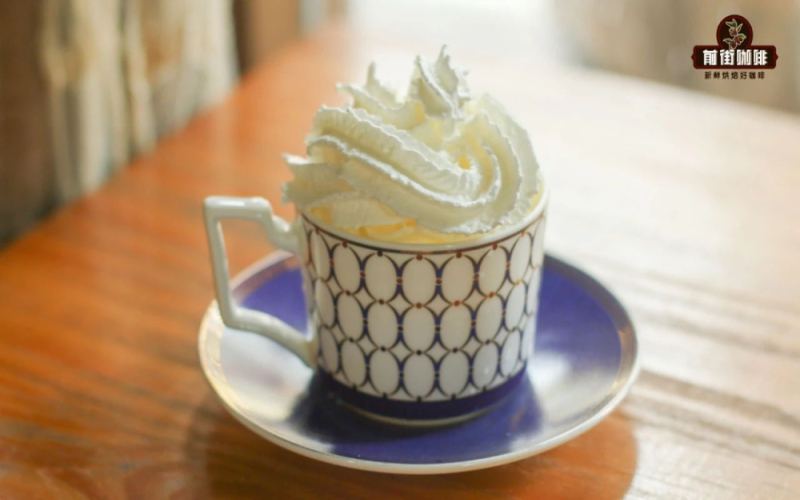
How Is a White Mocha Different from a Mocha? A Comprehensive Analysis from Chocolate Formula to Calories
White mocha and mocha appear to differ by only a color, but in reality they are vastly different from the chocolate ingredients to the calorie content. White mocha uses white chocolate syrup to replace the dark chocolate in traditional mocha, resulting in a sweeter taste and higher calories. This article will introduce in detail the ingredients, preparation methods, flavor characteristics, as well as the origin stories and calorie differences of white mocha and mocha. Whether you prefer the rich flavor of dark chocolate or the sweet taste of white chocolate, you can find practical preparation references here. Front Street Coffee has also compiled detailed recipe ratios for you, so let's take a look. [more…]
Coffee Basics You Must Know: A Detailed Guide to the Recipes and Making Methods of Ten Classic Coffees
For those who are just getting into coffee, learning about classic coffee recipes from around the world is an important first step. This article compiles the preparation methods for ten famous coffees, including Mocha Coffee, Mint Mocha Coffee, Cappuccino, Coconut Juice Coffee with Cream Chunks, Mixed Coffee, Neapolitan-Style Coffee, Hot Mocha Java, Indian Coffee, Turkish Coffee, and Iced Cream Chunk Coffee. Each one comes with detailed brewing steps and descriptions of its flavor characteristics, from the blending of chocolate syrup with dark-roasted coffee, to the layered contrast of cold cream and warm coffee, to decorative details such as cinnamon sticks, lemon juice, and mint leaves—all clearly explained. Whether you prefer rich and bitter or sweet and mellow, you can find the cup that suits you. Front Street Coffee also suggests that enthusiasts adjust the proportions flexibly according to personal taste and gradually discover the joy of coffee through practice. [more…]
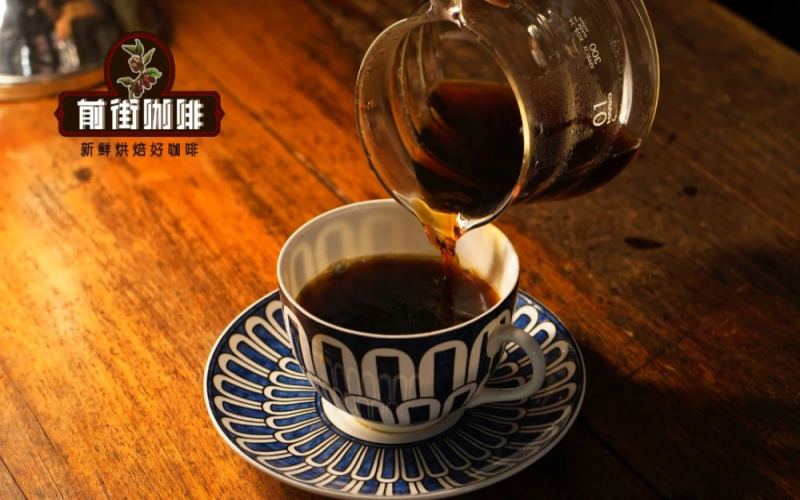
How Many Cups of Black Coffee Can You Drink in a Day | Is the Caffeine Content of Dark Roast Coffee Beans High? Recommended Specialty Hand-Ground Coffee Beans with Cocoa and Dark Chocolate Flavors
Friends who often drink coffee know that the acidity and bitterness of coffee are related to the degree of roasting. Recently, a friend asked Front Street what delicious dark-roast coffee beans they would recommend. Front Street would first like everyone to understand what degree of roasting means, and then see how to choose the coffee that suits them. What is the degree of roasting? According to Front Street Coffee [more…]
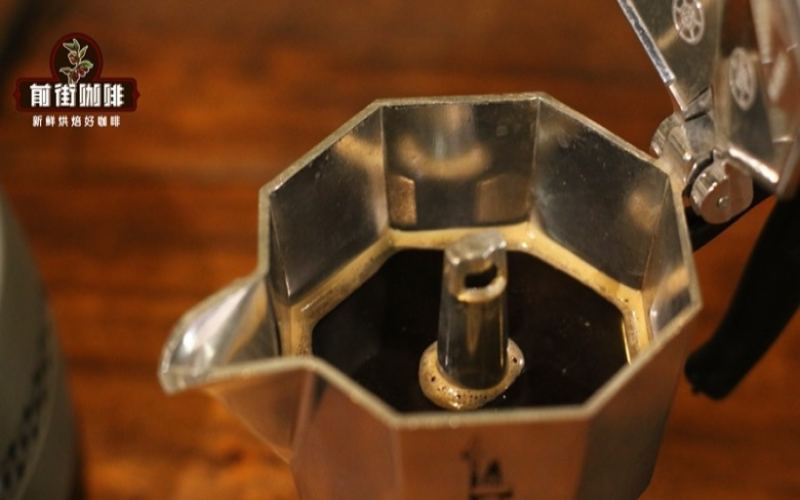
How to Choose Nutty and Cocoa-Flavored Coffee Beans by Roast Level
If you want to drink coffee with nutty, cocoa-like notes, the roast level often helps you judge what's in the cup more than the name of the region does. When the roast is lighter, the bean's acidity, sweetness, and aroma are preserved more noticeably; at a medium roast, aromas such as peanut, almond, and milk chocolate unfold more easily; medium-dark to dark roasts add caramel, dark chocolate, and roa [more…]